
Interactive Rooms
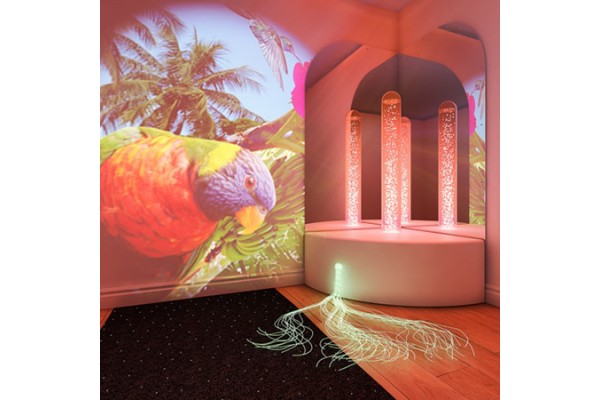
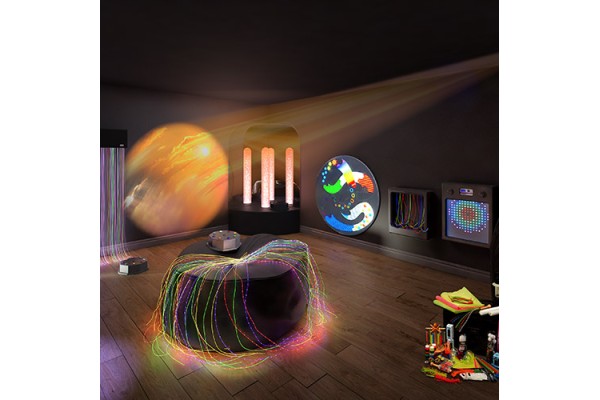
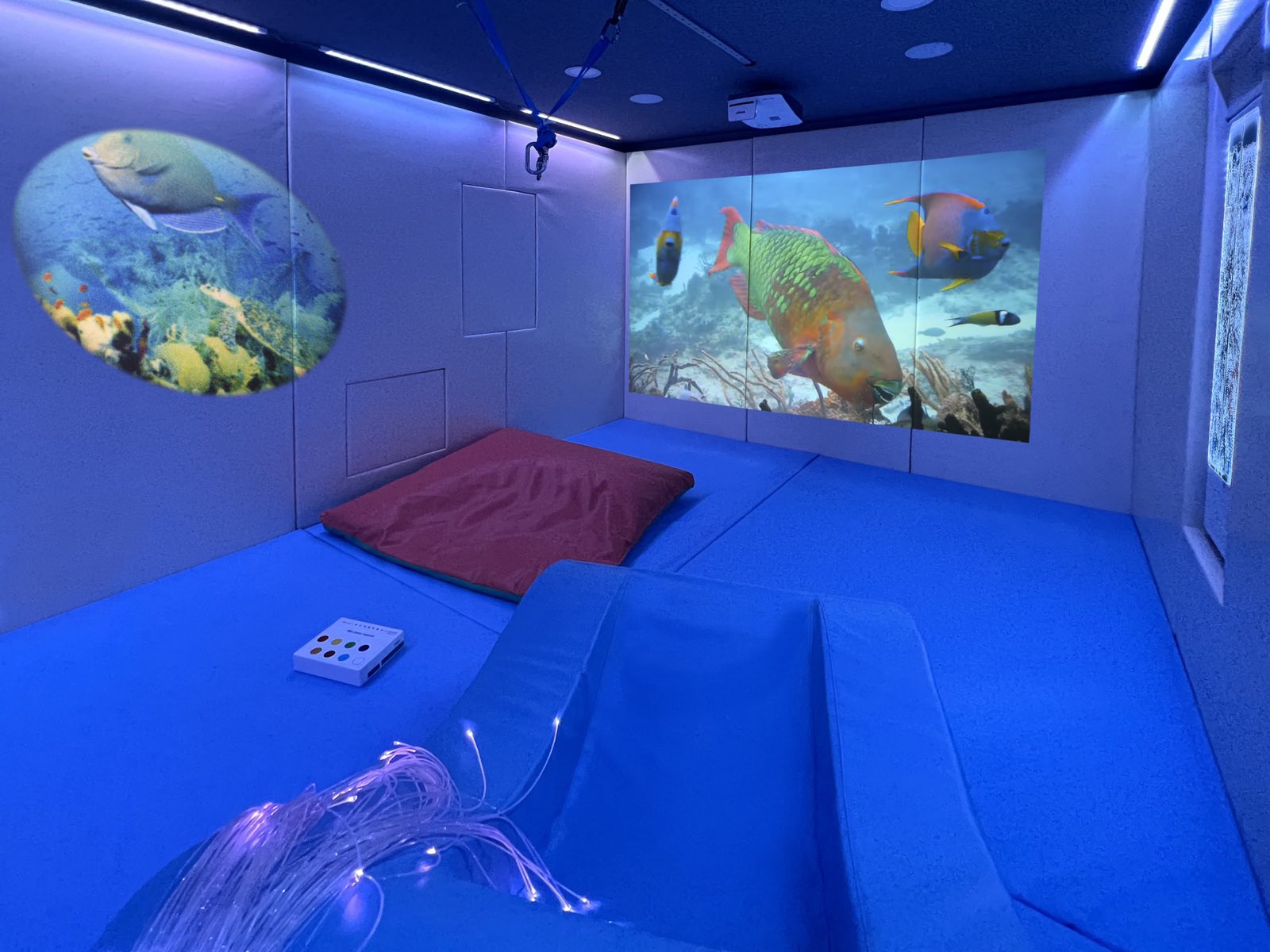
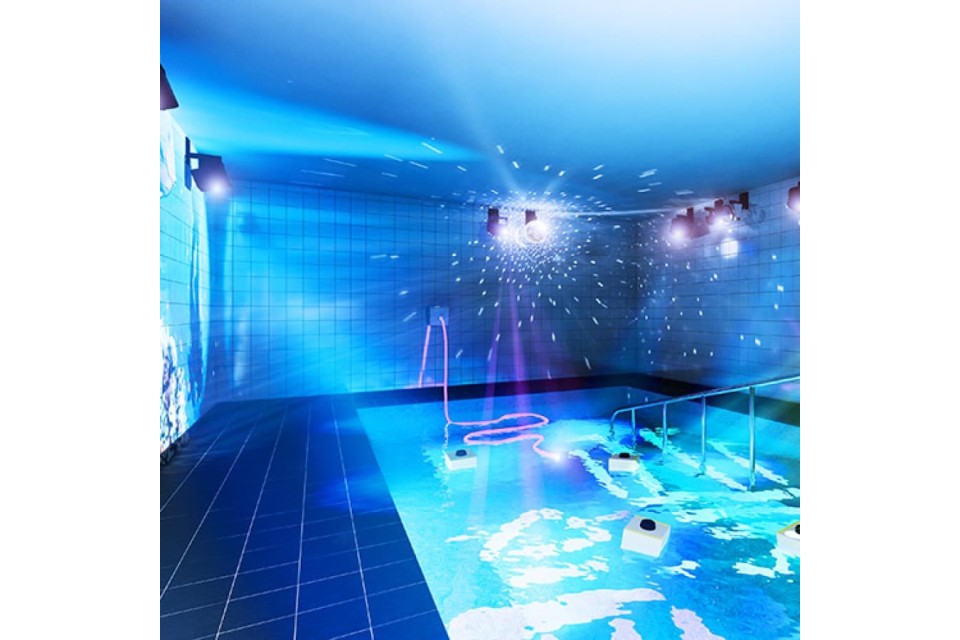
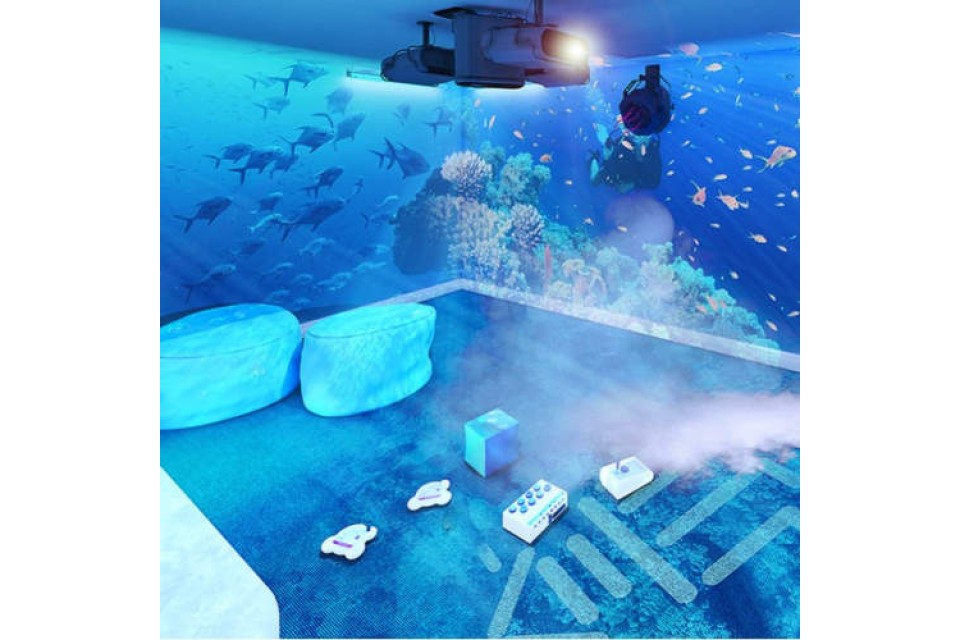
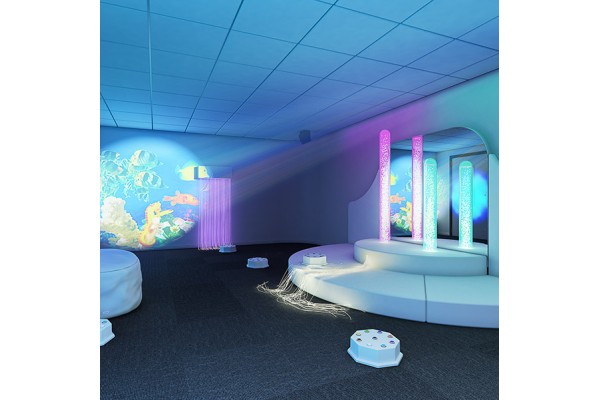
Interactive sensory rooms build upon the foundations of traditional calming sensory environments by introducing dynamic and engaging sensory stimulation. These spaces are designed not only to soothe but also to support the development of essential life skills through active participation.
Engagement and Learning
These rooms empower users to influence their surroundings, providing immediate and meaningful sensory feedback. This cause-and-effect interaction enhances emotional engagement, making users more likely to participate actively and retain the knowledge and skills they acquire.
Skill Development
Interactive elements such as switches play a key role in developing important competencies. Users can improve their understanding of cause and effect, strengthen colour recognition, and develop practical switching skills. These activities support both cognitive and functional growth.
Social Interaction
Beyond individual development, interactive sensory rooms encourage social engagement. They create opportunities for users to interact with others, helping to build communication skills, promote turn-taking, and foster cooperation in a shared environment.
Accessibility and Inclusivity
Accessibility is central to the design of interactive sensory rooms. A wide range of input options ensures that individuals of all abilities can participate. These include large push buttons, colour pads, and sound-activated switches for those who rely on vocalisation. Soft-play features, such as interactive cubes and balance beams, further support the development of gross motor skills in a safe and inclusive way.